KDP BOOK COVER, Fully Editable in Canva
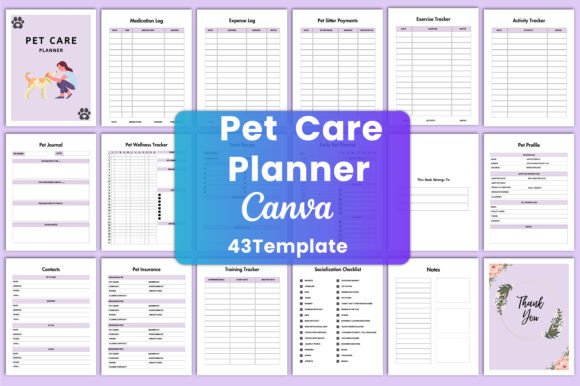
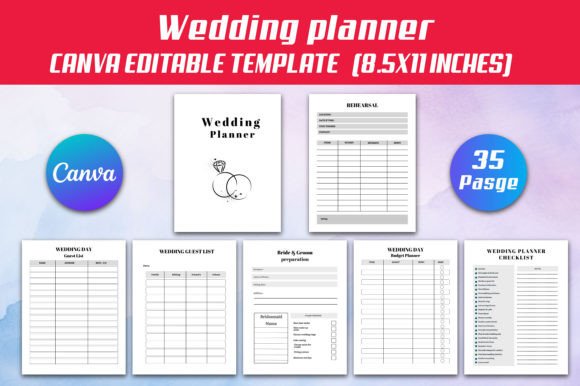
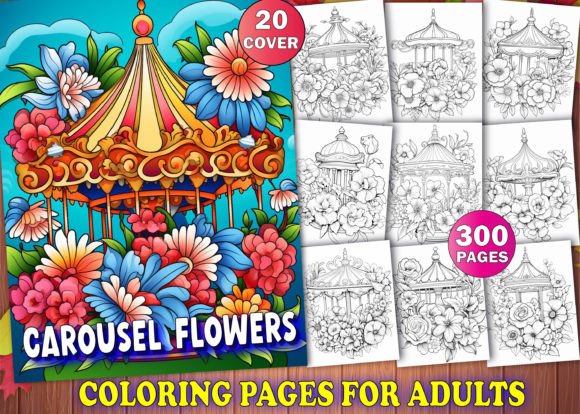
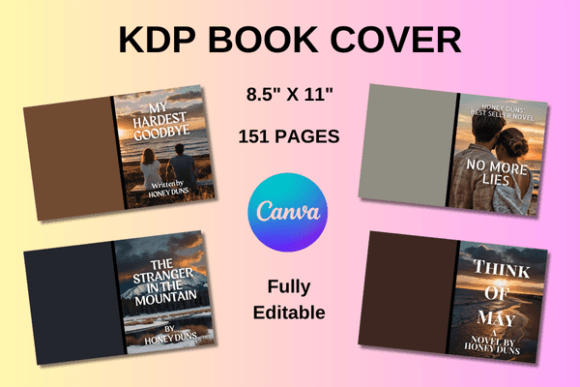
Creating a professional book cover for Kindle Direct Publishing (KDP) doesn’t require expensive design software or freelance budgets—especially when you have access to a KDP BOOK COVER, Fully Editable in Canva. This isn’t just another template pack. It’s a purpose-built asset: four distinct, print-ready covers sized precisely for an 8.5″ x 11″ interior with 151 pages, fully compatible with KDP’s specifications—and editable using only a free Canva account.
Why Strategic Cover Design Starts With Editability—Not Aesthetics Alone
A cover is the first strategic touchpoint between your book and its reader. It signals genre, tone, credibility, and audience alignment—often before a single word is read. But too many creators treat cover design as a one-time visual task, not a lever for positioning. That’s where a KDP BOOK COVER, Fully Editable in Canva shifts the equation: editability enables iteration, testing, and adaptation—not just once, but across editions, markets, or reader segments.
Consider this: You launch a journal for mindfulness practitioners. Six months later, you notice strong engagement from educators using it in classroom settings. Instead of commissioning a new cover, you adjust typography, swap icons, and refine color contrast—all within Canva—creating a version that speaks directly to teachers without altering your core content or production timeline.
Four Covers, One Practical Framework
The inclusion of four distinct designs isn’t about variety for variety’s sake. Each serves a different strategic function:
- Minimalist Layout: Ideal for fiction, poetry, or thought leadership—prioritizes whitespace, clean typography, and subtle texture to convey sophistication and clarity.
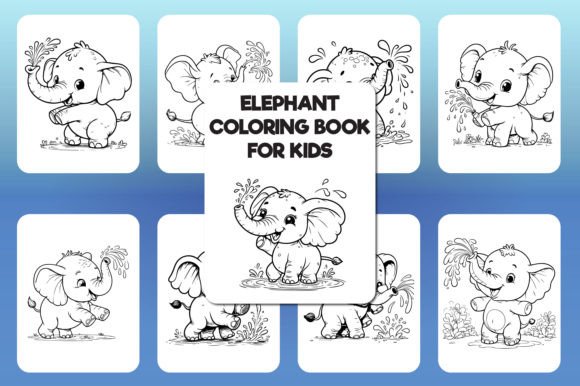
- Illustrative Style: Built for coloring books, children’s activity guides, or creative workbooks—leaves ample margin for hand-drawn elements and supports consistent line weight and bleed zones.
- Typography-Forward Design: Designed for nonfiction, self-help, or business titles—positions the title and subtitle as primary information carriers, with hierarchy calibrated for quick scanning on Amazon thumbnails.
- Modular Template: Offers interchangeable background layers, accent bars, and font pairings—ideal for series development or A/B testing cover variants before final upload.
Each is pre-sized to KDP’s exact 8.5″ x 11″ requirements—including 0.125″ bleed and proper spine width calculation for 151 interior pages. No guesswork. No last-minute resizing that risks cropping critical text or imagery.
When to Use a KDP BOOK COVER, Fully Editable in Canva—And When Not To
This resource delivers maximum value when used intentionally—not reactively. It shines in three scenarios:
- You’re launching multiple titles on a tight timeline—e.g., an educator building a set of subject-specific workbooks or a coach developing a suite of guided journals. Consistent, editable templates preserve brand voice while accelerating time-to-market.
- You need to validate messaging before committing to print—upload two Canva-edited variants to Amazon Ads and measure CTR differences. Adjust subtitle phrasing, author name placement, or color saturation based on real response—not intuition.
- You’re iterating toward audience fit—a novelist writing in a hybrid genre (e.g., literary sci-fi) can test whether “literary” or “sci-fi” cues resonate more strongly by editing cover language and iconography across versions.
It’s less suited for highly branded, established authors with signature visual systems—or for books requiring custom illustration, complex foil stamping, or specialty finishes. In those cases, a KDP BOOK COVER, Fully Editable in Canva is best used for early-stage mockups or internal stakeholder reviews—not final production.
Editing With Purpose—Not Just Convenience
Having Canva access doesn’t guarantee better outcomes—it guarantees faster edits. The difference between speed and strategy lies in your editing discipline. Before opening the file, ask:
- What outcome do I want this cover to drive? (e.g., higher conversion from Amazon search, stronger shelf presence in a physical bookstore, clearer differentiation from competitors)
- Which elements most directly support that outcome? (title legibility at thumbnail size, genre-signaling color palette, author name prominence relative to title)
- What assumptions am I making about my reader’s expectations—and how might those shift across platforms or demographics?
For example: A planner designed for remote workers benefits from muted, screen-friendly tones (soft greys, sage greens) and subtle laptop or calendar motifs—not bold gradients or high-contrast neon. A coloring book for seniors requires larger, bolder outlines and generous negative space. These aren’t aesthetic preferences; they’re functional decisions grounded in user context.
Risks of Editing Without Context
Without clear goals or audience insight, editing a KDP BOOK COVER, Fully Editable in Canva can backfire. Common pitfalls include:
- Over-customization: Changing fonts, colors, and layout elements without testing readability at 150% zoom or on mobile—resulting in a cover that looks polished in Canva but fails on Amazon’s thumbnail grid.
- Inconsistent branding: Using different title treatments across a series because each cover was edited in isolation—eroding recognition and reducing cross-title discoverability.
- Ignoring technical constraints: Adding drop shadows or transparency effects that don’t translate reliably to KDP’s PDF export process—causing unintended flattening or color shifts in print.
These aren’t failures of the template—they’re misalignments between editing behavior and strategic intent. The tool is neutral. Your decisions determine the result.
Practical Integration Into Your Workflow
Build the KDP BOOK COVER, Fully Editable in Canva into your planning—not just your production—phase:
Start with your interior manuscript. Note page count, trim size, and paper type (e.g., cream vs. white). Then open the matching Canva template and verify spine width calculations. Next, draft three subtitle options—not just one—and test them against the cover’s visual hierarchy. Does the strongest option still dominate at 200px width? If not, adjust font weight or tracking—not just size.
For nonfiction or instructional titles, consider adding a short, benefit-driven descriptor beneath the title (e.g., “A Step-by-Step Framework for Building Sustainable Habits”)—but only if it fits cleanly within the safe zone and reinforces, rather than competes with, the main title.
Save versions with descriptive names: “Cover_v2_Mindfulness_Journal_Amazon_Thumbnail_Test” or “Cover_v3_Educator_Series_Spine_Adjusted”. Version control isn’t overhead—it’s traceability for future decisions.
Long-Term Value Beyond the First Book
A KDP BOOK COVER, Fully Editable in Canva pays dividends across projects—not just one. As your catalog grows, these templates become your visual operating system: a shared foundation for tone, proportion, and technical compliance. You begin recognizing patterns—how much vertical space a 16-pt title needs at 8.5″ width, which Canva fonts render crisply in KDP’s CMYK workflow, where to place ISBN barcodes without disrupting composition.
That accumulated knowledge reduces cognitive load on every subsequent launch. More importantly, it builds confidence in your ability to make fast, informed design decisions—without outsourcing judgment to algorithms, trends, or unvetted marketplaces.
Ultimately, the strength of a KDP BOOK COVER, Fully Editable in Canva isn’t in its polish—it’s in its permission structure. It gives you permission to experiment, refine, align, and respond—not because design is easy, but because it’s now under your direct, thoughtful control.